The 9/11 Generation: The Children Who Watched the Skyline Fall

It was raining so hard that school had been cancelled, so I sat on my grandparents’ bed, the day stretching out quietly ahead of us.
Then Grandpa called from work.
His voice carried a weight I had never heard before as he spoke of a “terrible accident in New York.”
Grandma changed the channel.
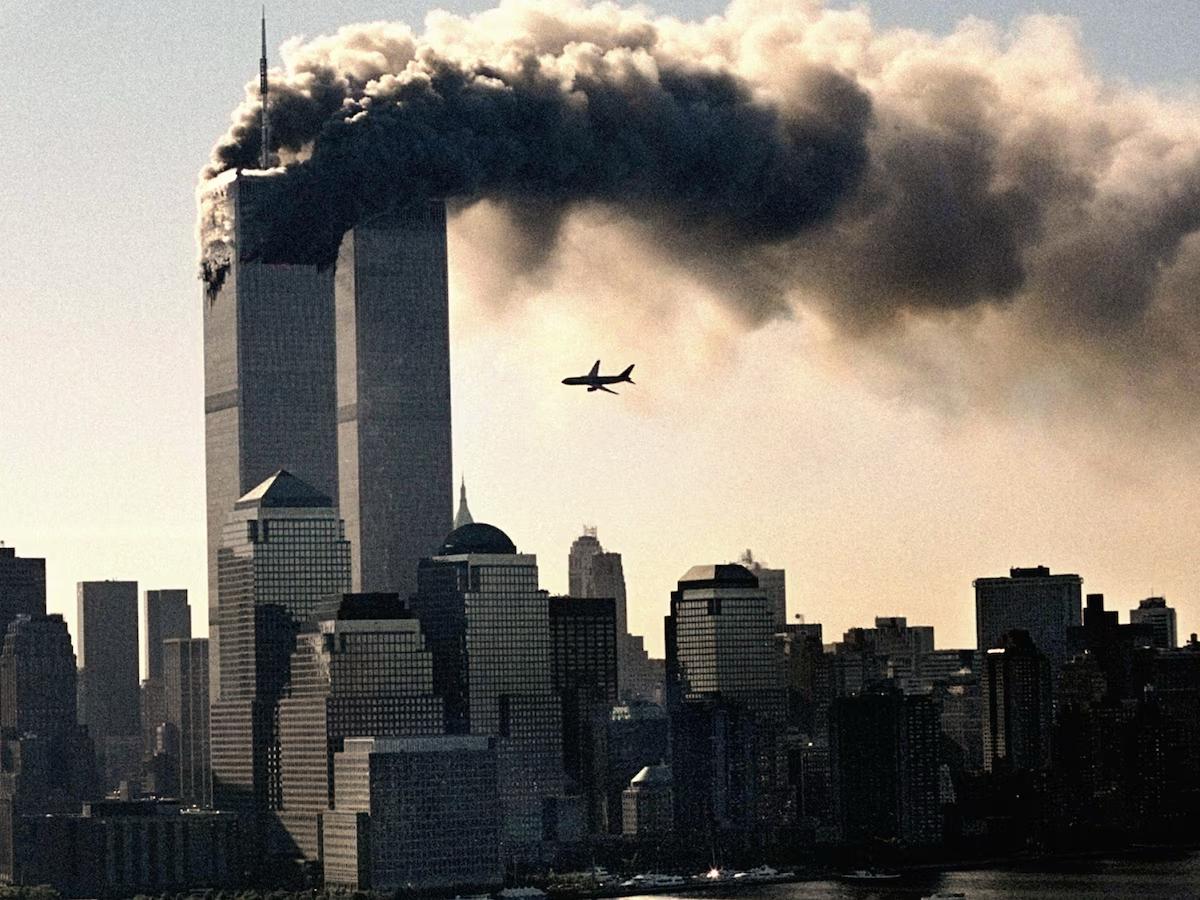
I still remember the horror of watching the second plane thundering across the skyline and slamming into the second tower.
Twenty-five years later, that moment remains vivid.
The rain outside, the muted television light, the sudden fracture between ordinary childhood and something far larger.
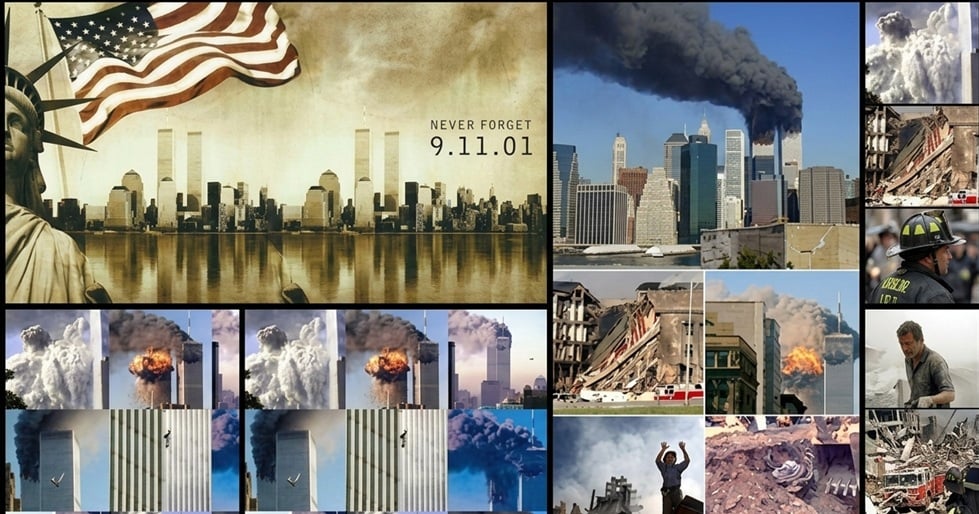
For millions of Americans and people around the world, September 11, 2001, marked a similar rupture—the day the unthinkable became real.
Nearly three thousand lives were taken that morning.
Office workers beginning their Tuesday, first responders racing toward danger, passengers on four planes whose courage still defines the day’s final hours.
The attacks on the World Trade Center, the Pentagon, and the field in Shanksville, Pennsylvania, were not only acts of mass murder, they were assaults on the idea that ordinary people could live free from fear in an open society.
In the hours and days that followed, the country responded with a unity that felt almost instinctive.
- Strangers helped strangers.
- Blood banks overflowed.
- Flags appeared on porches and overpasses.
- Firefighters, police officers, and emergency medical workers became the face of American resolve.
At Ground Zero, rescue and recovery efforts continued for months in conditions that tested the limits of human endurance.
Many of those who worked the pile paid a lasting physical price; some are still paying it.
The years since have been complicated.
Wars were fought.
Security practices changed.
Political debates sharpened.
Yet the core of the day itself has never been abstract, it remains personal:
The empty seats at dinner tables, the children who grew up without parents, the spouses who never came home, the colleagues who never returned to their desks.
Memorials in New York, at the Pentagon, and in Pennsylvania stand as places of quiet accounting—names etched in stone, water falling into voids where the towers once stood, fields kept open under the sky.
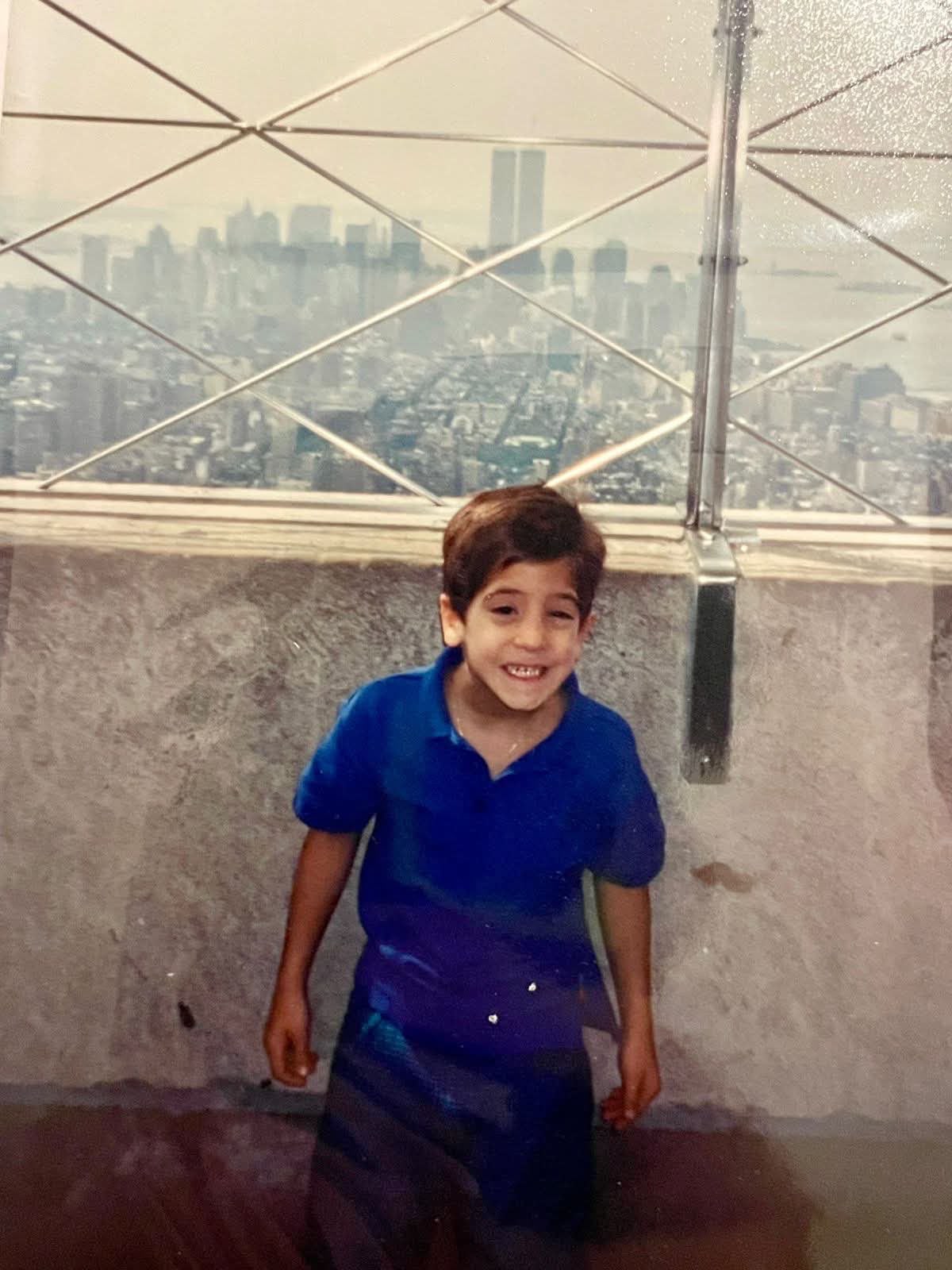
For those of us who were children then, the anniversary carries a particular weight.
We are the 9/11 Generation.
We inherited a world reshaped by events we only half understood at the time.
We watched the second plane hit, or saw the towers fall on looping news footage, or heard the stories later.
We grew up in the long shadow of that morning.
Twenty-five years on, many of us are parents ourselves, trying to explain to a new generation what happened and why it still matters.