Preserving America’s Historical, Technological, and Pop Culture Legacy: The Maverick Act

I strongly endorse this bipartisan legislation, which deserves swift passage in the House to match the Senate’s unanimous approval. These icons of naval aviation and popular culture must endure for future generations.
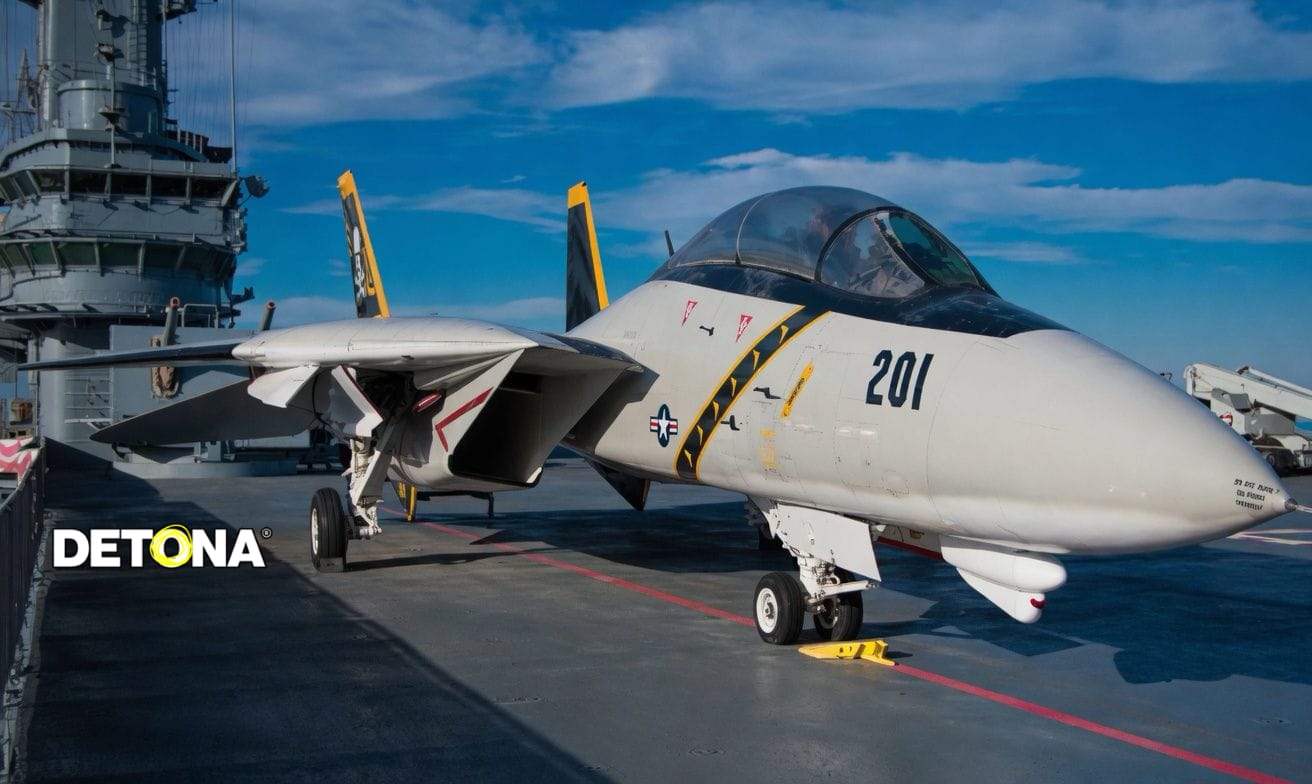
The F-14 Tomcat, a carrier-based legend that entered service in 1972 and retired in 1996, earned its place in history through distinguished service in conflicts including the Gulf War, the Balkans, and Iraq.
Its variable-sweep wings, powerful Phoenix missile system, and unmatched carrier operations made it a cornerstone of U.S. naval power during the Cold War.
Yet its most enduring impact may be cultural: millions worldwide were introduced to the Tomcat through Top Gun, the 1986 blockbuster film starring Tom Cruise as the daring Maverick.
As we approach the 40th anniversary of Top Gun—with special theatrical re-releases kicking off on May 13, 2026—this is the perfect moment to celebrate and preserve the aircraft that defined the movie’s thrilling aerial sequences.
The film not only became a box-office phenomenon but also inspired a generation to dream of flight, boosting interest in naval aviation and turning the F-14 into a true pop culture icon.
Preserving these aircraft is not merely about hardware—it is about safeguarding pieces of historical and popular culture that inspired generations of pilots, engineers, and everyday Americans.
These Tomcats represent ingenuity, courage, technical excellence, and the thrill of American innovation at its finest. Under the Maverick Act, the jets would be demilitarized and transferred under strict national security safeguards to the U.S. Space and Rocket Center in Huntsville, Alabama.
One of them will be restored to flight condition for safe, airshow-quality demonstrations, while the others will support static displays.
Together, they will educate the public, inspire STEM learning, and honor naval heritage through exhibits, events, and commemorations—without restoring any combat capability or risking foreign transfer.
Crucially, the Maverick Act imposes no cost to taxpayers. The receiving commission bears all expenses for restoration, maintenance, and compliance, while the aircraft are conveyed as surplus property in their current condition (with manuals and select spare parts provided).
Strong reversion clauses and FAA compliance requirements provide robust protections.
This is precisely the kind of targeted, low-impact preservation effort that should unite Americans across party lines. The bill already enjoys strong *bicameral bipartisan support*, with the Senate passing it unanimously and the House version boasting cosponsors from both parties.
Now is the time for the full House to act decisively and send the Maverick Act to the President’s desk.
History and heritage matter. The F-14 Tomcat is more than metal and rivets—it is a flying emblem of American excellence that captured the imagination of a nation, especially as we mark Top Gun’s milestone anniversary.
Let us not consign these last examples to destruction when they can instead continue to educate and inspire.
should pass the Maverick Act with strong bicameral, bipartisan backing.